
Daily Tour
Unlimited
___
Liuwa Plain National Park in Zambia has one of the oldest conservation histories in Africa, dating back to the 19th century where the King of Barotseland, Lubosi Lewanika, appointed his people to be the custodians of the park and its wildlife. They maintain that sentiment today. With an estimated 10,000 people legally living within the park, Liuwa is a prime example of how people and wildlife can co-exist and benefit in a shared landscape. Each year, Liuwa hosts the second largest wildebeest migration on the continent, numbering around 30,000 individuals – this is one of the most glorious spectacles on the planet. But this was not always the case. Before African Parks assumed management of Liuwa in 2003, in partnership with the Department of National Parks and Wildlife (DNPW) and the Barotse Royal Establishment, wildebeest and zebra were in steep decline, grasslands were threatened by rice fields, and all but one lonely lioness remained, “Lady Liuwa”.
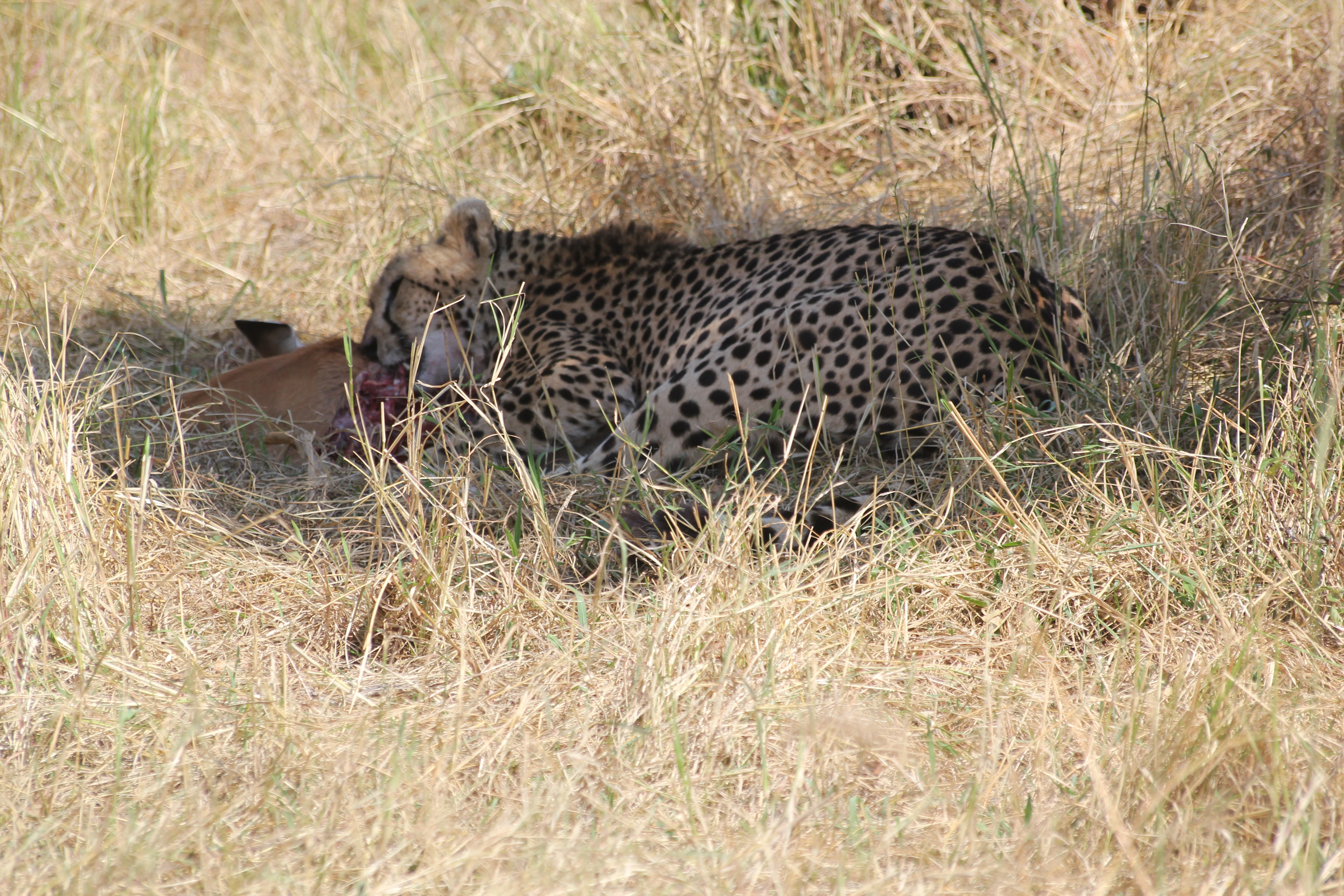
In 2008, African Parks began a series of lion reintroductions to reunite this last lioness with her own kind, and thus new life began as she slowly joined a pride that grew to 10 lions. Over a similar period, eland and buffalo were also reintroduced to the park and the plains game began to increase, providing a healthy prey base for the lions, as well as for the cheetahs and hyaenas. As a result of effective law enforcement, poaching levels subsided and community land-use plans were implemented along with sustainable fish harvesting and other community projects, providing alternative livelihoods for local people. Sadly, 2017 saw the natural passing of Lady Liuwa who lived to the ripe old age of 18, but she left behind a legacy of a small but growing pride of lions, living their lives together on Liuwa’s flourishing plains.
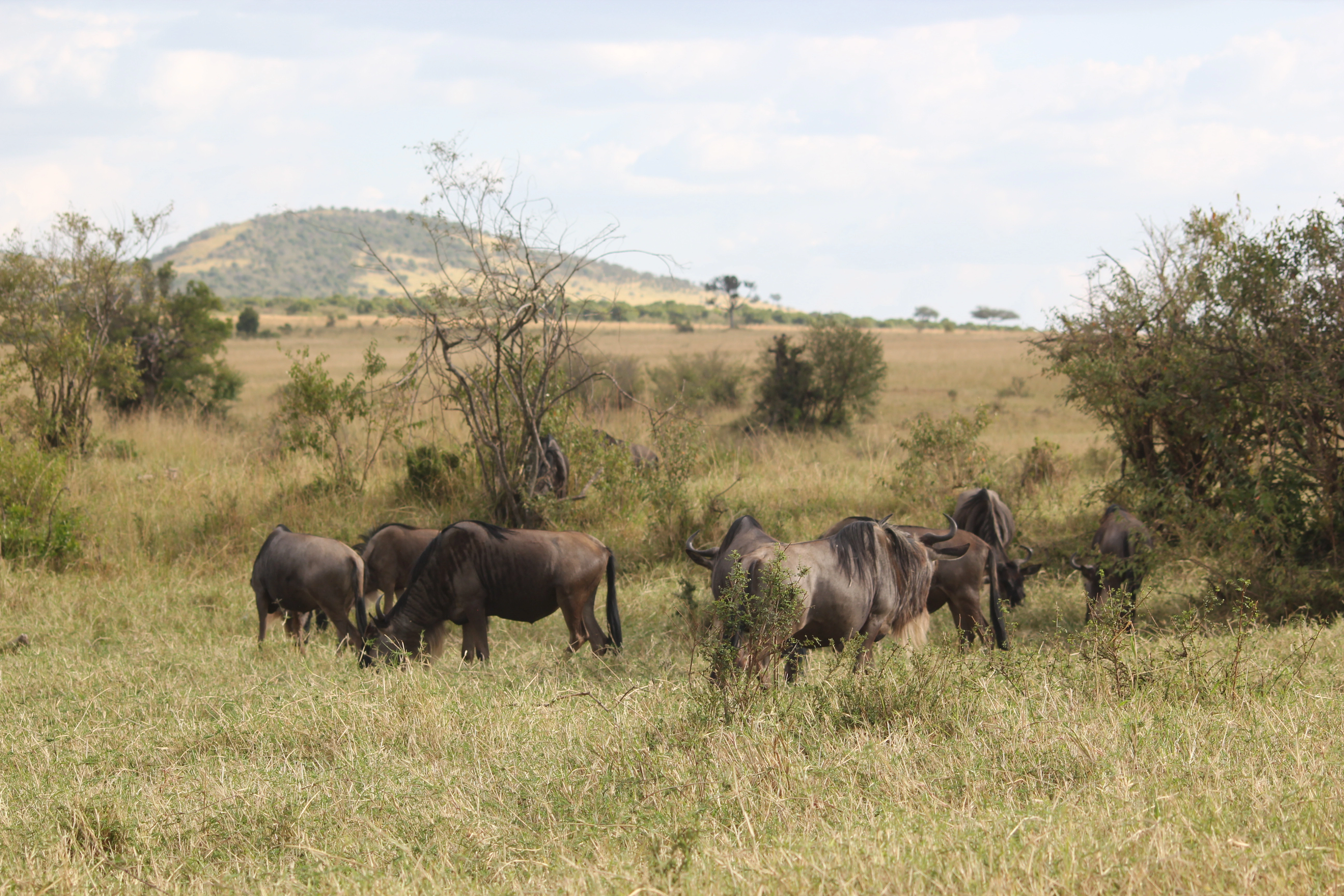
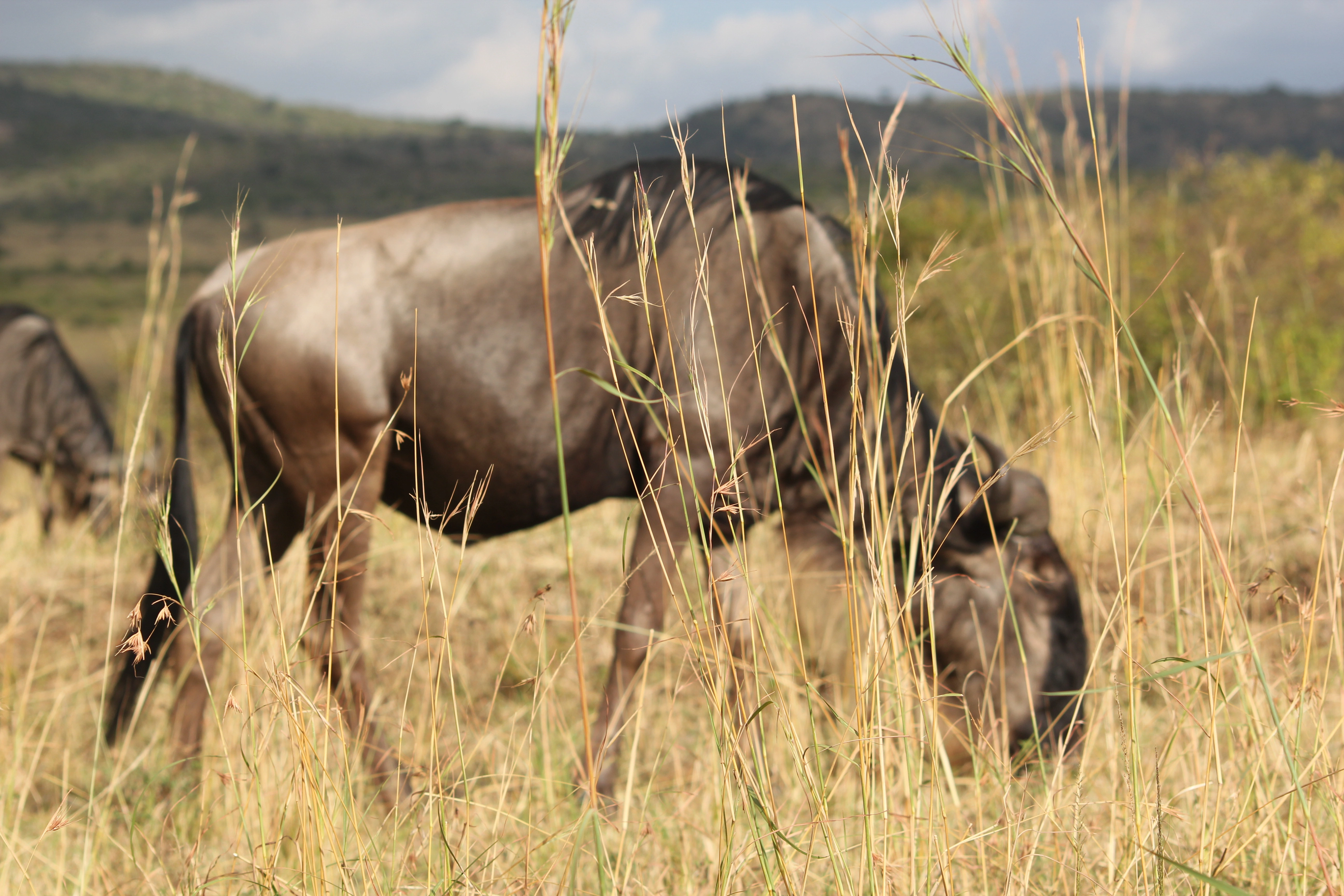
Liuwa’s wildebeest migration is the second largest on the continent. These charismatic animals and the lions who follow them have become world-renowned, landing the park on the New York Times ’52 Top Places to Visit’ list in 2018.
Liuwa now employs 127 full-time employees and over 100 seasonal workers, making it the largest employer in the region with over 95% of its workforce being local residents.

Member Since 2024
Daily Tour
Unlimited
___
Liuwa Plain National Park in Zambia has one of the oldest conservation histories in Africa, dating back to the 19th century where the King of Barotseland, Lubosi Lewanika, appointed his people to be the custodians of the park and its wildlife. They maintain that sentiment today. With an estimated 10,000 people legally living within the park, Liuwa is a prime example of how people and wildlife can co-exist and benefit in a shared landscape. Each year, Liuwa hosts the second largest wildebeest migration on the continent, numbering around 30,000 individuals – this is one of the most glorious spectacles on the planet. But this was not always the case. Before African Parks assumed management of Liuwa in 2003, in partnership with the Department of National Parks and Wildlife (DNPW) and the Barotse Royal Establishment, wildebeest and zebra were in steep decline, grasslands were threatened by rice fields, and all but one lonely lioness remained, “Lady Liuwa”.
In 2008, African Parks began a series of lion reintroductions to reunite this last lioness with her own kind, and thus new life began as she slowly joined a pride that grew to 10 lions. Over a similar period, eland and buffalo were also reintroduced to the park and the plains game began to increase, providing a healthy prey base for the lions, as well as for the cheetahs and hyaenas. As a result of effective law enforcement, poaching levels subsided and community land-use plans were implemented along with sustainable fish harvesting and other community projects, providing alternative livelihoods for local people. Sadly, 2017 saw the natural passing of Lady Liuwa who lived to the ripe old age of 18, but she left behind a legacy of a small but growing pride of lions, living their lives together on Liuwa’s flourishing plains.
Liuwa’s wildebeest migration is the second largest on the continent. These charismatic animals and the lions who follow them have become world-renowned, landing the park on the New York Times ’52 Top Places to Visit’ list in 2018.
Liuwa now employs 127 full-time employees and over 100 seasonal workers, making it the largest employer in the region with over 95% of its workforce being local residents.
Member Since 2024
Daily Tour
Unlimited
___
Liuwa Plain National Park in Zambia has one of the oldest conservation histories in Africa, dating back to the 19th century where the King of Barotseland, Lubosi Lewanika, appointed his people to be the custodians of the park and its wildlife. They maintain that sentiment today. With an estimated 10,000 people legally living within the park, Liuwa is a prime example of how people and wildlife can co-exist and benefit in a shared landscape. Each year, Liuwa hosts the second largest wildebeest migration on the continent, numbering around 30,000 individuals – this is one of the most glorious spectacles on the planet. But this was not always the case. Before African Parks assumed management of Liuwa in 2003, in partnership with the Department of National Parks and Wildlife (DNPW) and the Barotse Royal Establishment, wildebeest and zebra were in steep decline, grasslands were threatened by rice fields, and all but one lonely lioness remained, “Lady Liuwa”.
In 2008, African Parks began a series of lion reintroductions to reunite this last lioness with her own kind, and thus new life began as she slowly joined a pride that grew to 10 lions. Over a similar period, eland and buffalo were also reintroduced to the park and the plains game began to increase, providing a healthy prey base for the lions, as well as for the cheetahs and hyaenas. As a result of effective law enforcement, poaching levels subsided and community land-use plans were implemented along with sustainable fish harvesting and other community projects, providing alternative livelihoods for local people. Sadly, 2017 saw the natural passing of Lady Liuwa who lived to the ripe old age of 18, but she left behind a legacy of a small but growing pride of lions, living their lives together on Liuwa’s flourishing plains.
Liuwa’s wildebeest migration is the second largest on the continent. These charismatic animals and the lions who follow them have become world-renowned, landing the park on the New York Times ’52 Top Places to Visit’ list in 2018.
Liuwa now employs 127 full-time employees and over 100 seasonal workers, making it the largest employer in the region with over 95% of its workforce being local residents.
Member Since 2024
Daily Tour
Unlimited
___
Liuwa Plain National Park in Zambia has one of the oldest conservation histories in Africa, dating back to the 19th century where the King of Barotseland, Lubosi Lewanika, appointed his people to be the custodians of the park and its wildlife. They maintain that sentiment today. With an estimated 10,000 people legally living within the park, Liuwa is a prime example of how people and wildlife can co-exist and benefit in a shared landscape. Each year, Liuwa hosts the second largest wildebeest migration on the continent, numbering around 30,000 individuals – this is one of the most glorious spectacles on the planet. But this was not always the case. Before African Parks assumed management of Liuwa in 2003, in partnership with the Department of National Parks and Wildlife (DNPW) and the Barotse Royal Establishment, wildebeest and zebra were in steep decline, grasslands were threatened by rice fields, and all but one lonely lioness remained, “Lady Liuwa”.
In 2008, African Parks began a series of lion reintroductions to reunite this last lioness with her own kind, and thus new life began as she slowly joined a pride that grew to 10 lions. Over a similar period, eland and buffalo were also reintroduced to the park and the plains game began to increase, providing a healthy prey base for the lions, as well as for the cheetahs and hyaenas. As a result of effective law enforcement, poaching levels subsided and community land-use plans were implemented along with sustainable fish harvesting and other community projects, providing alternative livelihoods for local people. Sadly, 2017 saw the natural passing of Lady Liuwa who lived to the ripe old age of 18, but she left behind a legacy of a small but growing pride of lions, living their lives together on Liuwa’s flourishing plains.
Liuwa’s wildebeest migration is the second largest on the continent. These charismatic animals and the lions who follow them have become world-renowned, landing the park on the New York Times ’52 Top Places to Visit’ list in 2018.
Liuwa now employs 127 full-time employees and over 100 seasonal workers, making it the largest employer in the region with over 95% of its workforce being local residents.
Member Since 2024